House Construction Inspiration in Cavite: Designing Your Dream Home

Whether you prefer modern aesthetics, traditional Filipino designs, or a fusion of styles, finding inspiration is the first step in creating your dream home. In this article, we explore house construction inspiration in Cavite to spark ideas and guide you in designing a home that reflects your style and preferences.

Modern Elegance with Nature’s Touch:

  • Contemporary Tropical Fusion:
    • Combine sleek modern architecture with tropical elements.
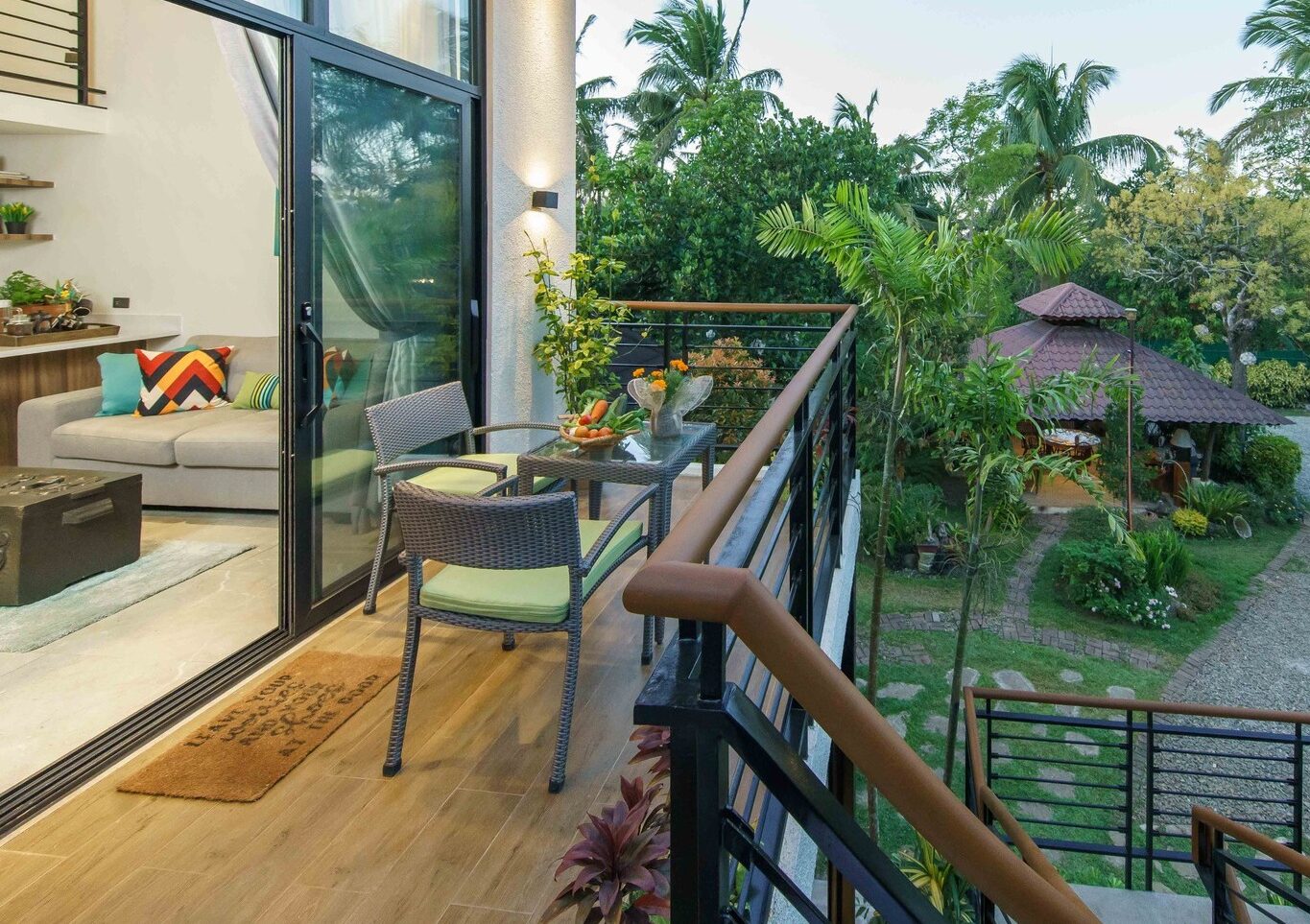
    • Utilize large windows to invite natural light and showcase lush outdoor views.
  • Open-Plan Living Spaces:
    • Embrace the trend of open-concept living and dining areas.
    • Connect indoor and outdoor spaces with sliding glass doors and seamless transitions.
  • Minimalist Zen Retreat:
    • Opt for a minimalist approach with clean lines and neutral tones.
    • Incorporate Zen-inspired elements like indoor gardens and calming water features.

Timeless Filipino Heritage:

  • Bahay Kubo Modern Twist:
    • Infuse a modern touch into the traditional Bahay Kubo design.
    • Incorporate native materials like bamboo and cogon for an authentic feel.
  • Spanish-Influenced Charm:
    • Draw inspiration from Cavite’s colonial history with Spanish-style architecture.
    • Include arched doorways, wrought iron details, and colorful tiles.
  • Capiz Shell Elegance:
    • Showcase the local craftsmanship with Capiz shell accents.
    • Integrate Capiz windows and lighting fixtures for a touch of elegance.

Rustic Retreat Amidst Nature:

  • Wood and Stone Harmony:
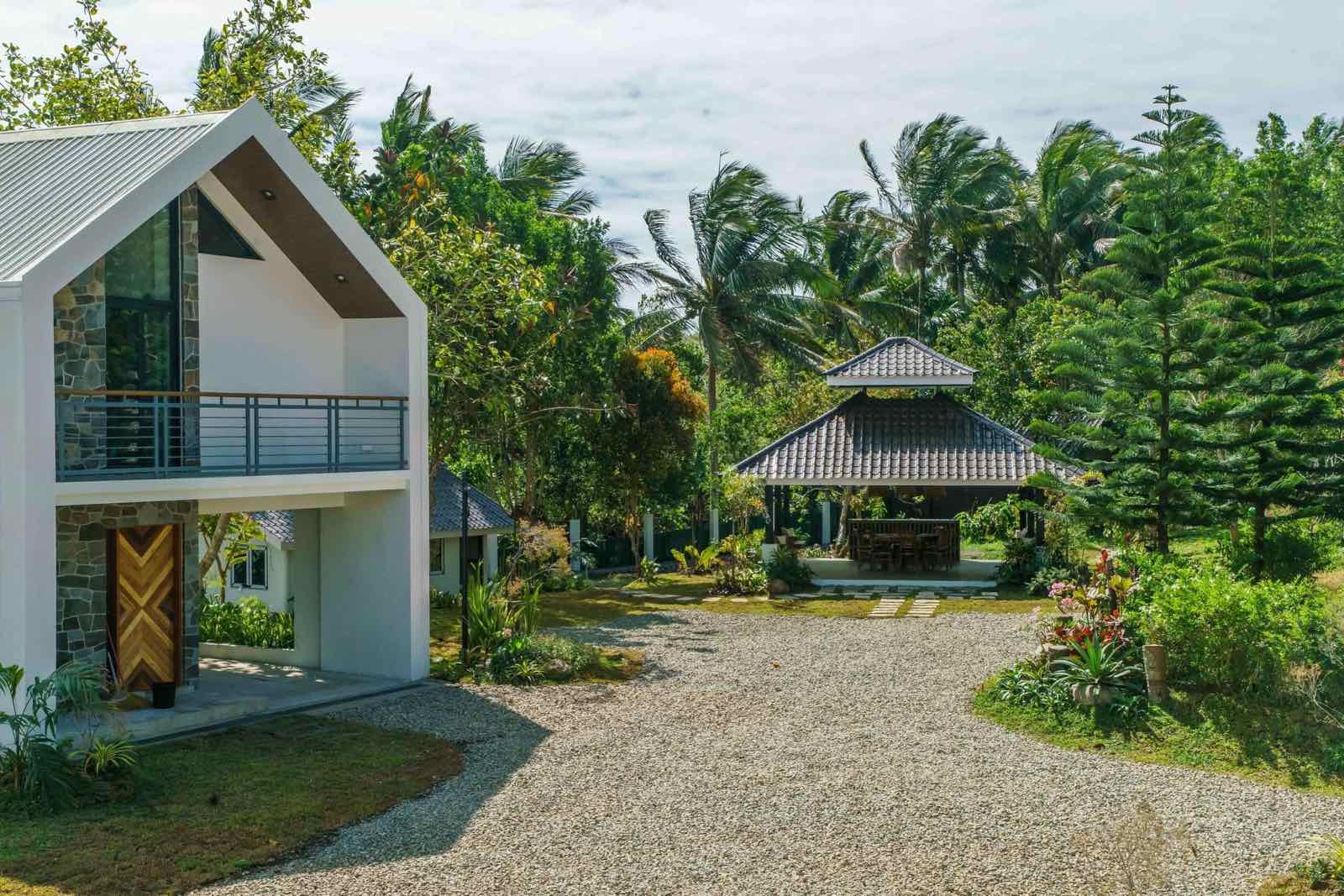
    • Create a cozy and rustic ambiance with wooden beams and stone accents.
    • Choose a color palette inspired by nature, such as earthy tones and greens.
  • Countryside Farmhouse:
    • Embrace the charm of a countryside farmhouse.
    • Incorporate a pitched roof, wraparound porch, and rustic details.
  • Scenic Rooftop Living:
    • Take advantage of Cavite’s scenic landscapes with a rooftop terrace.
    • Design an outdoor living space with panoramic views of the surroundings.

Fusion of Styles for a Unique Home:

  • Modern Filipino Fusion:
    • Merge modern and traditional Filipino elements.
    • Combine concrete, glass, and indigenous materials for a contemporary yet cultural vibe.
  • Industrial Chic with Nature:
    • Infuse an industrial aesthetic with exposed materials like steel and concrete.
    • Soften the look with indoor plants and natural textures.
  • Mediterranean Marvel:
    • Transport the charm of the Mediterranean to Cavite.
    • Incorporate terracotta tiles, wrought iron, and vibrant colors.

Whichever style captures your imagination, the key is to create a home that resonates with your lifestyle and embraces the unique charm of Cavite. Draw inspiration from these ideas and work with architects and designers to tailor them to your preferences. Remember, your dream home in Cavite is not just a structure; it’s a reflection of your personality and a sanctuary for you and your family.

Ready to turn your dream home into a reality? Contact EMI Construction today to discuss your vision and start building the house of your dreams.

DIY or Pro Builders: Making the Right Choice for Your Project

Undertaking a construction or renovation project prompts a crucial decision – choosing between a Do-It-Yourself (DIY) approach or hiring professional builders. Both options have their advantages and disadvantages, and understanding the factors involved can help you make an informed decision. In this article, we’ll explore the key aspects of both DIY and professional building, helping you determine which route is best suited for your specific needs.

Cost Considerations
The primary factor influencing the decision between DIY and hiring professionals is cost. DIY projects may seem more cost-effective initially as you eliminate labor costs associated with hiring professionals. However, it’s essential to consider hidden costs such as tools, materials, and the potential for mistakes that may require expensive corrections. Professional builders may seem more expensive initially, but their expertise can lead to a more efficient and cost-effective project in the long run.

Skill Level and Expertise
DIY projects can be satisfying for individuals with certain skill levels and experience in construction. However, not everyone possesses the necessary skills to handle complex tasks, and attempting them without expertise may lead to subpar results. Professional builders, on the other hand, bring years of experience and specialized knowledge to the table. They are equipped to handle intricate aspects of construction, ensuring a higher quality outcome.

Time and Convenience
DIY projects often take longer to complete due to the learning curve and the need to juggle other commitments. If time is a critical factor, hiring professionals is likely the better option. Professionals work efficiently and have the resources to complete projects within a specified timeframe. This can be particularly crucial for time-sensitive projects or if you’re renovating a space that needs to be ready for use by a specific date.

Legal and Safety Considerations
Building codes, permits, and safety regulations can be complex and vary by location. DIY builders may overlook or be unaware of these requirements, leading to potential legal issues and safety hazards. Professional builders are well-versed in local regulations, ensuring that your project complies with all necessary codes. This can save you from fines and complications down the line.

Quality of Work
The quality of the final result is a significant factor in deciding between DIY and professional builders. While DIY enthusiasts may excel in smaller projects, larger and more intricate tasks often require the precision and craftsmanship of professionals. Professional builders have access to advanced tools and techniques, leading to a finished product that meets or exceeds industry standards.

Choosing between a DIY approach and hiring professional builders ultimately depends on the specifics of your project, your skill level, and your priorities. While DIY projects can be fulfilling and cost-effective for those with the right skills, professional builders bring expertise, efficiency, and quality assurance to the table. Carefully weighing the pros and cons will help you make an informed decision that aligns with your goals and ensures a successful outcome for your construction or renovation project.

Ready to make your project a reality? Contact EMI Construction today for expert guidance and professional building services. Let’s build your vision together.

Building Tomorrow: Sustainable Construction Solutions for Cavite

As Cavite continues to evolve into a hub of modern living, the importance of sustainable construction practices cannot be overstated and becomes paramount.

Embracing eco-friendly building solutions not only contributes to environmental conservation but also ensures the longevity and resilience of structures. Here are some sustainable construction solutions, creating a pathway towards a greener and more resilient future.

Green Building Materials

Utilize locally sourced, eco-friendly materials such as bamboo, recycled steel, and reclaimed wood. Incorporate sustainable alternatives for traditional construction materials, such as recycled concrete and low-impact insulation.

Energy-Efficient Design

Prioritize natural lighting and ventilation to reduce reliance on artificial lighting and air conditioning. Integrate energy-efficient appliances and fixtures to minimize electricity consumption.

Rainwater Harvesting Systems

Implement rainwater harvesting systems to collect and store rainwater for non-potable uses like irrigation and flushing toilets. Reduce the strain on municipal water supplies and contribute to water conservation efforts.

Solar Power Integration

Harness the abundant sunlight in Cavite by integrating solar panels for electricity generation. Solar power solutions not only reduce energy costs but also contribute to a cleaner and more sustainable energy grid.

Vegetative Roofing

Adopt green roofing practices by incorporating vegetation on roofs.
Green roofs enhance insulation, reduce stormwater runoff, and provide aesthetic and ecological benefits.

Waste Reduction and Recycling

Implement waste management strategies to minimize construction waste. Recycle and repurpose construction materials to reduce the environmental impact and promote a circular economy.

Passive Design Principles

Embrace passive design principles that maximize natural climate control. Consider factors such as building orientation, shading, and thermal mass to optimize energy efficiency.

Low-Impact Development (LID) Practices

Incorporate LID practices to manage stormwater runoff and reduce the impact on local water systems. Design permeable pavements, green spaces, and bioswales to enhance water absorption.

Durable and Long-Lasting Structures

Construct buildings with durability in mind to reduce the need for frequent repairs or replacements. Opt for materials and construction techniques that withstand the local climate and environmental conditions.

Community Engagement and Education

Foster community awareness about sustainable construction practices.
Educate builders, contractors, and residents on the benefits of green building and sustainable living.

Local Biodiversity Preservation

Design landscapes that promote local biodiversity. Preserve existing green spaces and incorporate native plants to support the ecosystem.

By embracing sustainable construction solutions tailored for Cavite, the province can pave the way for a greener, more resilient future. These practices not only contribute to environmental conservation but also create structures that withstand the test of time while fostering a healthier and more sustainable community.

As Cavite continues to grow, the adoption of sustainable construction practices becomes a crucial investment in a sustainable and vibrant future.

Ready to build sustainably in Cavite? Contact EMI Construction today to explore eco-friendly solutions for your next project. Let’s build a better tomorrow, together.

Critical Considerations in Building a Home in Cavite

Embarking on the journey of constructing a house in Cavite demands meticulous attention to various factors to ensure a seamless and successful building process. This province, nestled in the Calabarzon region of the Philippines, presents a promising locale for residential development due to its proximity to Metro Manila, scenic landscapes, and thriving communities. However, before diving into the construction endeavor, one must thoroughly evaluate key considerations to navigate the complexities of building a home in Cavite.

Strategic Location and Accessibility

Selecting an optimal location is paramount when considering house construction in Cavite. Proximity to essential amenities such as schools, hospitals, markets, and transportation hubs should be a primary consideration.

Additionally, evaluating accessibility to major roads and highways is crucial for seamless commuting to neighboring cities and Metro Manila. Analyzing ongoing infrastructure developments and urban planning initiatives provides insights into the location’s long-term viability and sustainability.

Land Acquisition and Titling

Securing the necessary land titles and permits is a foundational step to avoid legal entanglements and property disputes. Collaborating with reputable real estate agents or developers can facilitate smooth land acquisition, ensuring adherence to zoning regulations and land use policies. Due diligence in verifying land ownership, boundaries, and potential encumbrances is essential to preempt any obstacles during the construction phase.

Environmental Considerations and Topography

Cavite’s diverse terrain, encompassing flatlands, rolling hills, and coastal areas, demands a comprehensive site analysis. Factors such as soil quality, drainage patterns, flood risks, and susceptibility to natural hazards like earthquakes and typhoons must be thoroughly assessed.

Engaging with geotechnical engineers and environmental consultants allows for risk mitigation and the implementation of design and construction techniques tailored to the specific challenges presented by the site.

Design and Architectural Aesthetics

Selecting a design and architectural style that aligns with personal preferences, lifestyle, and budget is a pivotal aspect of the building process. Exploring diverse architectural styles, from traditional Filipino designs to modern contemporary structures, requires collaboration with experienced architects and designers. Spatial functionality, ventilation, natural lighting, and energy efficiency should be integral components of the design to create a comfortable and sustainable living environment.

Construction Materials and Techniques

The choice of construction materials and techniques significantly influences the durability, aesthetics, and maintenance requirements of the home. Researching locally available materials, such as indigenous wood, bamboo, concrete, and steel, while considering cost, availability, and environmental impact, is crucial. Exploring innovative construction methods, including prefabrication, modular construction, and green building practices, can streamline the construction process and minimize environmental impact.

Budgeting and Financial Planning

Successful construction in Cavite necessitates meticulous budgeting and financial planning to ensure the project stays within defined limits and timelines. A detailed cost estimate covering land acquisition, design fees, construction materials, labor costs, permits, taxes, and contingency reserves for unforeseen expenses is imperative. Engaging with reputable contractors, suppliers, and financial institutions can provide insights into financing options, payment terms, and potential incentives for home construction projects.

Community and Neighborhood Dynamics

Beyond the confines of the property, understanding the dynamics of the surrounding community and neighborhood is crucial. Engaging with residents, homeowners’ associations, and community leaders offers valuable insights into social, cultural, and recreational amenities in the area. Evaluating the quality of schools, healthcare facilities, public services, and security measures ensures a conducive and harmonious living environment for residents.

Building a home in Cavite demands a thorough examination of strategic location, land acquisition, environmental considerations, architectural aesthetics, construction techniques, budgeting, and community dynamics. By addressing these critical considerations with foresight and engaging with experienced professionals and stakeholders, one can embark on a gratifying journey towards realizing their dream home in one of the Philippines’ most promising provinces.