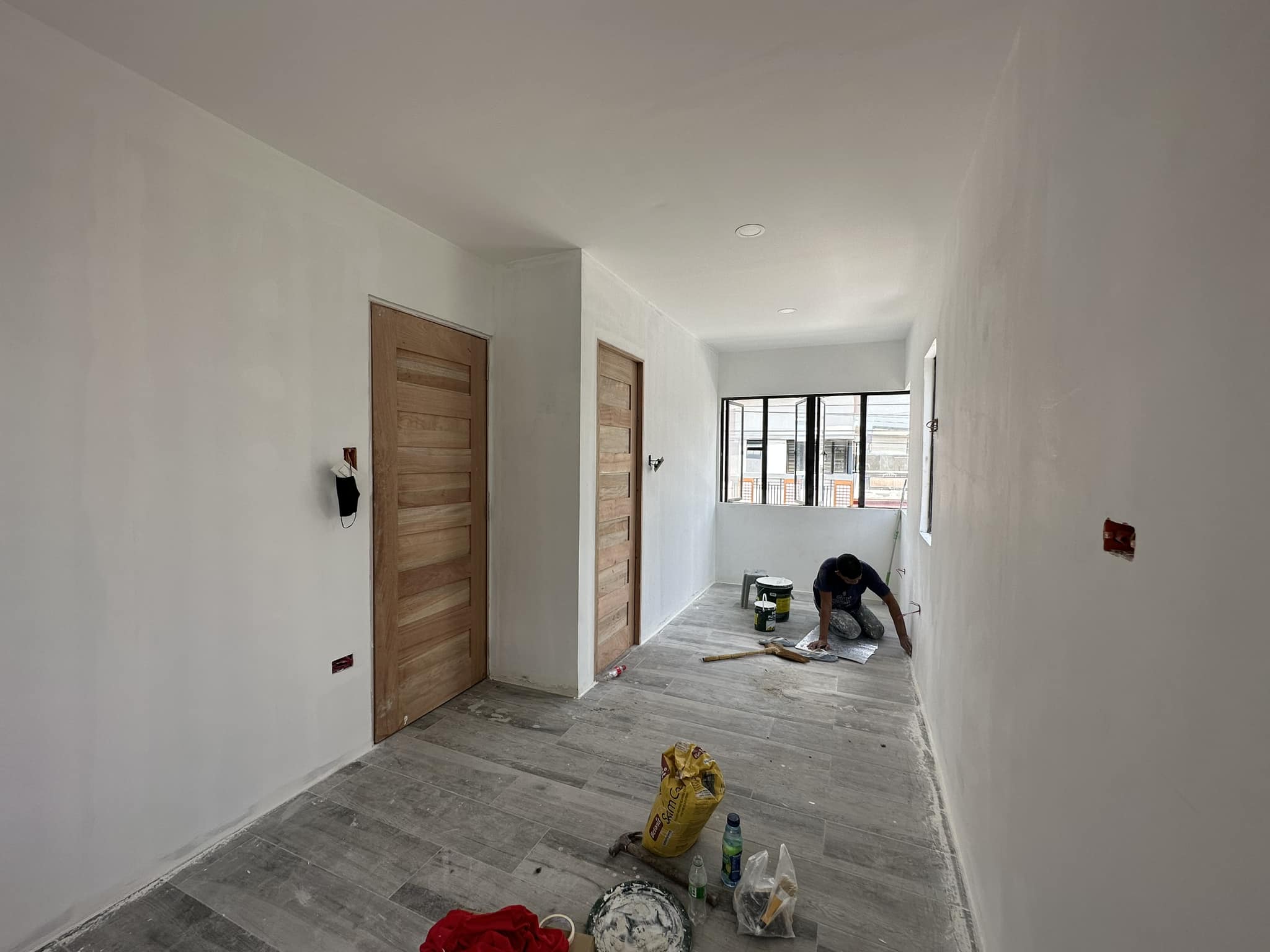
Everything You Need to Know Before Building Your Dream Home in Tagaytay
Tagaytay continues to be one of the most desirable places in the Philippines to build a home. Known for its cool climate, breathtaking views, and peaceful atmosphere, it has become a preferred destination for primary residences, retirement homes, vacation houses, and investment properties. As infrastructure projects continue to improve accessibility from Metro Manila and neighboring provinces, demand for residential construction in Tagaytay remains strong.
However, building a house in Tagaytay is different from building in other parts of Cavite. The city’s elevated terrain, volcanic soil, varying slopes, and unique weather conditions require careful planning, proper engineering, and an experienced contractor.
Whether you’re building your forever home or investing in a weekend retreat, this comprehensive guide will help you understand everything you need to know before starting construction in Tagaytay in 2026.
Why Build a Home in Tagaytay?
Few places in the Philippines offer the lifestyle that Tagaytay provides. While it is famous as a tourist destination, it has steadily evolved into one of Southern Luzon’s most attractive residential communities.
Some of the advantages include:
- Cooler year-round temperatures
- Beautiful mountain and lake views
- Less traffic compared to Metro Manila
- Access to quality schools, hospitals, restaurants, and shopping centers
- Peaceful environment ideal for families and retirees
- Increasing property values driven by continuous development
Its strategic location also allows homeowners to enjoy a relaxed lifestyle while remaining connected to Metro Manila through major highways.
Excellent Accessibility
One of Tagaytay’s greatest advantages is accessibility.
Residents can conveniently travel through:
- Aguinaldo Highway
- Santa Rosa–Tagaytay Road
- Cavite-Laguna Expressway (CALAX)
- Manila-Cavite Expressway (CAVITEX)
- South Luzon Expressway (SLEX)
Future infrastructure projects, including the proposed Cavite–Tagaytay–Batangas Expressway (CTBEX), are expected to further improve travel times and increase property values across Tagaytay and neighboring municipalities.
For homeowners, this means enjoying a peaceful environment without sacrificing accessibility to business districts, airports, and commercial centers.
Understanding Tagaytay’s Climate
Unlike many parts of Cavite, Tagaytay enjoys a cooler climate due to its higher elevation.
Average temperatures typically range between 20°C and 28°C, making it comfortable throughout the year.
However, the cooler weather also brings unique construction considerations.
Homes should be designed to accommodate:
- Frequent rainfall
- Strong winds during typhoon season
- High humidity
- Morning fog
- Moisture exposure
These environmental factors influence the choice of roofing materials, waterproofing systems, window placement, insulation, and ventilation.
A well-designed home can maximize natural airflow while maintaining comfortable indoor temperatures throughout the year.
Choosing the Right Lot
Not all lots in Tagaytay are created equal.
Before purchasing property, evaluate the following:
Slope
Many premium lots are located on hillsides.
While these provide spectacular views, they often require:
- retaining walls
- additional excavation
- engineered foundations
- specialized drainage systems
Steeper lots usually cost more to develop than flat properties.
Soil Condition
Tagaytay sits on volcanic soil influenced by nearby Taal Volcano.
A geotechnical investigation or soil test is highly recommended before finalizing structural plans.
The results help engineers determine:
- foundation depth
- footing sizes
- soil bearing capacity
- appropriate structural design
Skipping soil investigation can lead to costly structural problems later.
Drainage
Heavy rains are common in Tagaytay.
Your lot should have proper drainage to prevent:
- flooding
- erosion
- water intrusion
- foundation damage
Proper grading during site development is essential.
Utilities
Before purchasing, confirm the availability of:
- electricity
- water supply
- internet
- cellular signal
- road access
These utilities can significantly affect construction costs.
Best House Designs for Tagaytay
Tagaytay’s climate allows homeowners to enjoy architectural styles that emphasize outdoor living and natural ventilation.
Popular house designs include:
Modern Tropical
Perfect for maximizing airflow and natural light.
Features include:
- large windows
- open floor plans
- covered terraces
- high ceilings
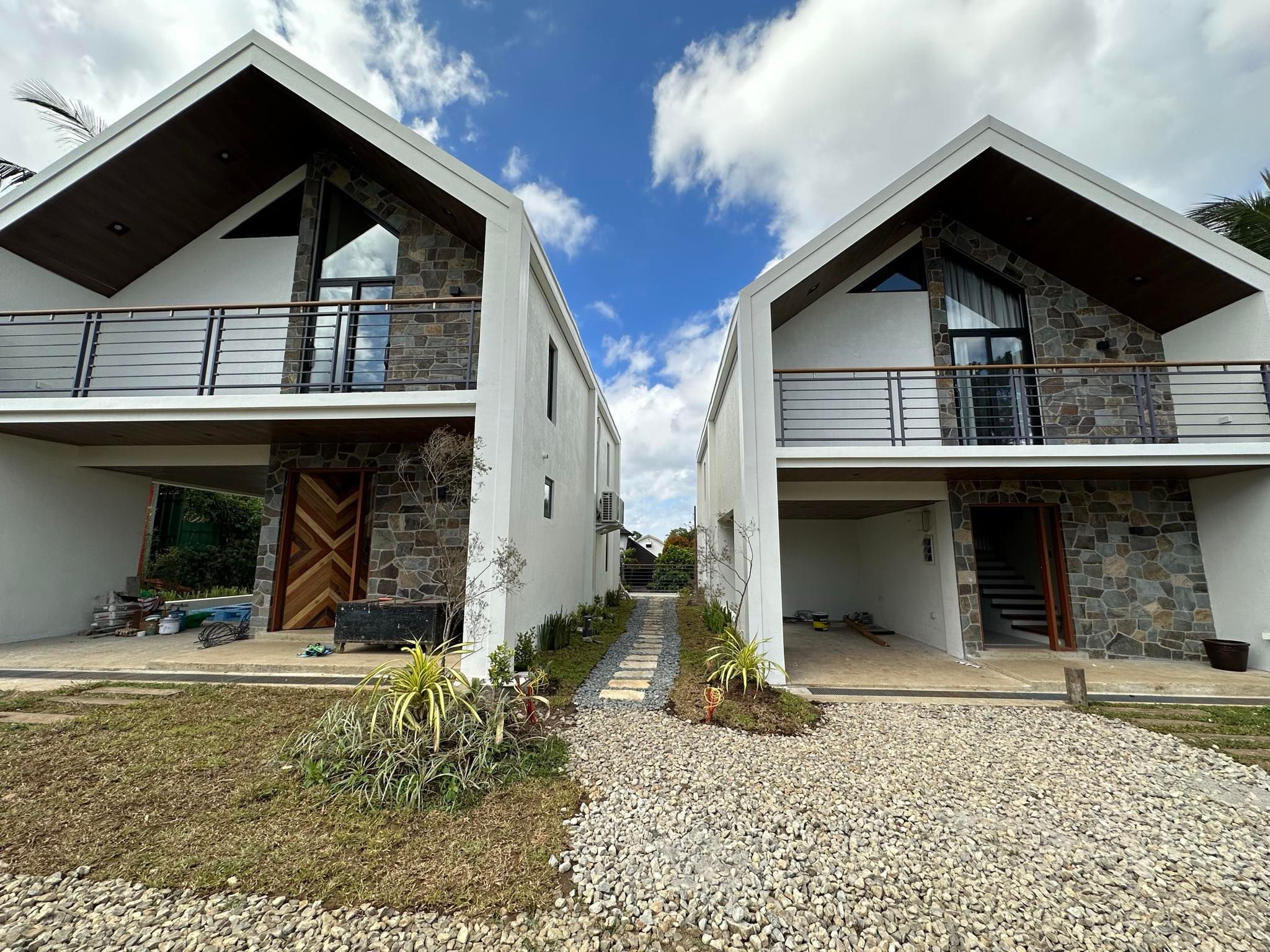
Modern Farmhouse
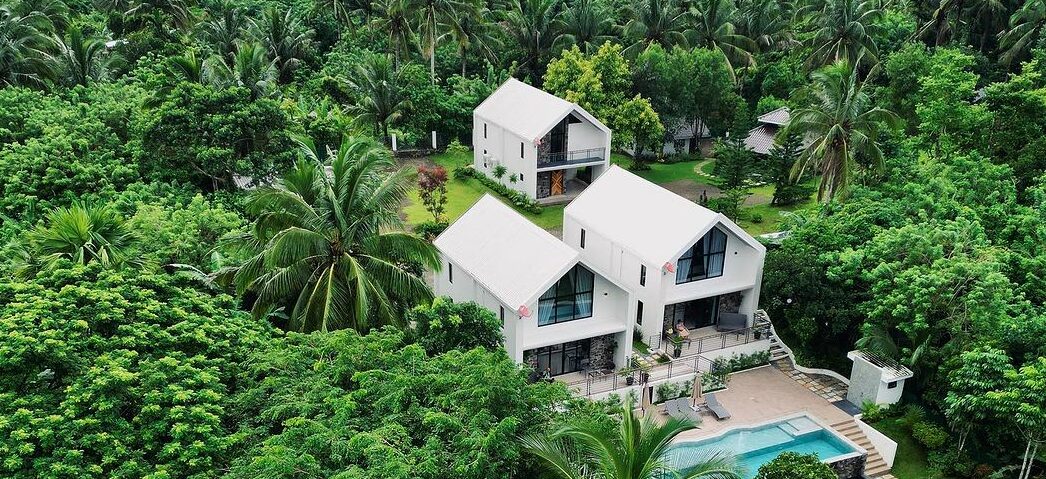
One of the fastest-growing architectural styles in Tagaytay.
It combines:
- natural stone
- wood accents
- pitched roofs
- spacious porches
- minimalist interiors
The design complements Tagaytay’s countryside setting.
Contemporary Homes
Contemporary homes emphasize simplicity and functionality.
Features include:
- clean lines
- open spaces
- glass walls
- energy-efficient materials
These homes are ideal for view lots.
Mediterranean Homes
Mediterranean architecture remains popular among luxury residences.
Characteristics include:
- clay roof tiles
- stucco walls
- arched windows
- courtyards
- outdoor entertainment spaces
The design performs well in both warm and cool climates.
Scandinavian Design
Minimalist yet warm, Scandinavian homes feature:
- bright interiors
- natural wood finishes
- functional layouts
- energy-efficient construction
Their simplicity makes them ideal for smaller lots.
How Much Does It Cost to Build a House in Tagaytay in 2026?
Construction costs depend on location, lot conditions, architectural design, and material specifications.
Typical residential construction costs include:
- ₱20,000–₱25,000 per sqm — Bare Finish
- ₱30,000–₱35,000 per sqm — Standard Finish
- ₱35,000–₱40,000 per sqm — Semi-Elegant Finish
- ₱40,000+ per sqm — Luxury Finish
Additional expenses may include:
- retaining walls
- excavation
- soil testing
- architectural and engineering fees
- permits
- utility connections
- landscaping
A comprehensive construction estimate prepared before breaking ground helps minimize unexpected costs.
Building Permits in Tagaytay
Before construction begins, homeowners must secure the necessary permits from the local government.
These typically include:
- Building Permit
- Barangay Clearance
- Locational Clearance
- Fire Safety Evaluation Certificate
- Structural Plans
- Architectural Plans
- Electrical Plans
- Sanitary and Plumbing Plans
- Bill of Materials
- Specifications
- Tax Declaration
- Transfer Certificate of Title
- Construction Safety and Health Program
Depending on the property, additional documentary requirements may also apply.
Working with an experienced contractor simplifies the permitting process and helps avoid unnecessary delays.
Choosing the Right Contractor
The success of your project depends largely on your contractor.
When comparing construction companies, look for:
PCAB License
Always verify that the contractor is properly licensed.
Local Experience
A contractor familiar with Tagaytay understands:
- hillside construction
- drainage
- local regulations
- weather conditions
Portfolio
Review completed projects to evaluate workmanship and design quality.
Transparent Quotations
Professional contractors provide detailed proposals outlining:
- scope of work
- material specifications
- construction timeline
- payment schedule
Avoid contractors who provide vague estimates or verbal quotations.
Communication
Consistent communication throughout the project minimizes misunderstandings and keeps construction on schedule.
Common Mistakes to Avoid
Many homeowners encounter avoidable problems during construction.
Some of the most common include:
- Purchasing a lot without evaluating soil conditions
- Choosing a contractor based solely on price
- Starting construction without complete permits
- Underestimating the project budget
- Skipping professional architectural design
- Not allocating a contingency fund
- Ignoring drainage and waterproofing
Careful planning can save significant time and money.
Frequently Asked Questions
Is Tagaytay a good place for a retirement home?
Yes. The cooler climate, peaceful surroundings, and accessibility make Tagaytay one of the country’s preferred retirement destinations.
Is it more expensive to build in Tagaytay
Construction can be slightly more expensive than in flatter areas because some lots require additional excavation, retaining walls, or specialized foundations.
Should I conduct a soil test?
Yes. A soil investigation is strongly recommended, particularly for sloping lots or multi-storey homes.
What is the best architectural style for Tagaytay?
Modern Tropical, Modern Farmhouse, Contemporary, Mediterranean, and Scandinavian designs all perform well when adapted to Tagaytay’s climate.
Start Your Tagaytay Home Construction Journey with EMI Construction
Building a home in Tagaytay is one of the most rewarding investments you can make, but it requires careful planning, quality workmanship, and a contractor who understands the area’s unique terrain and climate.
At EMI Construction, we specialize in designing and building homes that are tailored to Tagaytay’s environment. From site evaluation and architectural planning to permit processing and construction, our team is committed to delivering homes that combine beauty, durability, and functionality.
Contact EMI Construction today to schedule a consultation and take the first step toward building your dream home in Tagaytay.