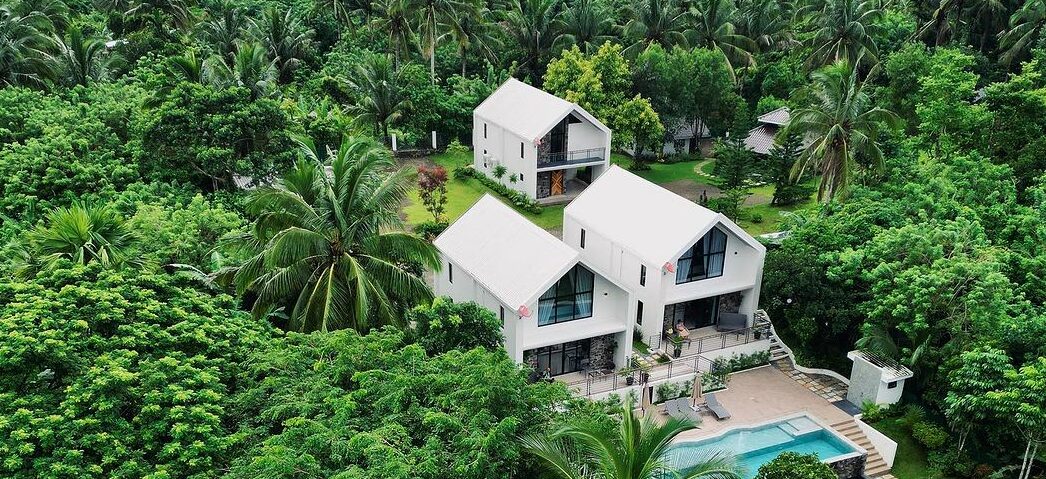
What Are the Best House Designs for Cavite’s Climate?

Cavite is one of the most popular provinces for families and professionals looking to settle outside Metro Manila. With its mix of cool upland areas, coastal towns, and suburban communities, Cavite offers a unique environment for homeowners. But before you build your dream house here, it’s important to consider Cavite’s climate—a blend of tropical heat, occasional heavy rains, and cooler upland breezes.

To ensure comfort, durability, and efficiency, your house design must be climate-appropriate. Here are the best house designs for Cavite’s climate:


1. Modern Tropical Design

The tropical house design is perfect for Cavite’s warm weather and rainy season. It uses natural ventilation, wide windows, and open floor plans that keep the home airy and bright.

Features:

  • Large windows and sliding glass doors for ventilation
  • Extended roof eaves to protect from heavy rains
  • Use of local materials like wood, bamboo, and stone
  • Indoor-outdoor living concept with lanais and gardens

This design reduces heat buildup and maximizes natural light, making it energy-efficient.


2. Bungalow Style Homes

Bungalows are ideal for families who prefer a single-story design with easy access to all rooms. They suit both the cool upland climate of Tagaytay, Indang, Magallanes, and Bailen, and the warmer lowland areas like Bacoor, Imus, and Dasmariñas.

Features:

  • Open layouts for better airflow
  • Wide windows for ventilation and natural light
  • Easy maintenance and accessibility
  • Can be designed with high ceilings for cooler interiors

3. Mediterranean-Inspired Homes

Mediterranean architecture has gained popularity in Cavite subdivisions and villages. Its clay roof tiles, stucco walls, and earthy tones complement Cavite’s environment.

Features:

  • Terracotta or clay-tiled roofing for insulation
  • Courtyards and balconies for outdoor living
  • Thick walls to keep interiors cooler
  • Arched doors and windows for a timeless look

This design works well in both hot and cool climates, making it versatile for Cavite’s diverse areas.


4. Modern Minimalist Homes

For homeowners who want simplicity, functionality, and efficiency, the minimalist design works best. It uses clean lines, neutral colors, and sustainable materials.

Features:

  • Simple, box-type design that maximizes space
  • Energy-efficient windows and roofing
  • Space-saving interiors
  • Use of concrete, steel, and glass for durability

Minimalist homes are cost-efficient and perfect for urban parts of Cavite like Bacoor, Dasmariñas, and General Trias.


5. Elevated or Stilt Houses

Some parts of Cavite, especially near coastal areas like Kawit, Rosario, and Tanza, may be prone to flooding. Elevated house designs prevent water damage and improve ventilation.

Features:

  • Elevated foundation or stilt design for flood-prone areas
  • Open lower level for parking or storage
  • Better airflow under the house, reducing heat buildup
  • Adaptable for modern or traditional designs

Final Thoughts

Choosing the right house design in Cavite is more than just about looks—it’s about comfort, safety, and efficiency. Whether you prefer a modern tropical home, a cozy bungalow in the cool uplands, or a Mediterranean-inspired house in suburban communities, your design should match the climate and lifestyle of your family.

Planning to build your dream home in Cavite? Contact EMI, your trusted contractor with a PCAB license, to guide you through climate-smart construction and ensure your house is built to last.
How Much Does It Cost to Build a House in 2025?

If you are planning to build your dream home in Cavite this 2025, one of the most important questions to ask is: how much will it cost? With Cavite’s rapid development, upcoming expressways, and its proximity to Metro Manila, more families and investors are considering this province as the perfect place to settle down. However, construction costs vary depending on several factors. Let’s break down the major considerations and give you an overview of what to expect in 2025.


1. Average Construction Cost per Square Meter

As of 2025, the average cost of building a house in Cavite ranges from:

  • ₱20,000 – ₱25,000 per sqm → for a bare type finish (Basic shell only, minimal partitions, unfinished interiors, and standard structural components).
  • ₱30,000 – ₱35,000 per sqm → for a basic or standard finish (Simple design, standard materials, complete but modest fixtures).
  • ₱35,000 – ₱40,000 per sqm → for a semi-elegant finish (Better materials, custom layouts, improved flooring, higher-quality fixtures, and more aesthetic appeal).
  • ₱40,000 and above per sqm → for luxury or high-end finishes (Premium materials, modern architectural designs, smart home integrations, and top-grade craftsmanship).

Example: For a 100 sqm home, you’ll need around ₱2M – ₱4M, depending on the type and finish you choose.


2. Factors That Affect Construction Costs

Several elements influence your total budget:

  • Lot Size and Location – Prime areas like Imus, Bacoor, and Dasmariñas may have higher labor and material costs than rural towns.
  • Design and Architecture – A modern minimalist home is generally more cost-efficient than Mediterranean or traditional designs that require more detailing.
  • Materials – Local vs. imported materials can create a huge cost difference.
  • Labor Costs – Skilled builders and licensed contractors in Cavite may charge more, but they provide quality assurance and compliance with building codes.
  • Permits and Legal Fees – Building permits, barangay clearances, and other legal requirements must also be factored in.

3. The Rising Cost of Materials in 2025

The price of cement, steel, and finishing materials continues to rise due to inflation and global supply issues. Expect material costs in Cavite to be 5–10% higher in 2025 compared to 2024. Partnering with a reliable contractor can help you get better deals with suppliers.


4. Costs to Watch Out For

Aside from the main construction budget, remember to prepare for:

  • Site development (fencing, filling, leveling)
  • Utility connections (water, electricity, internet)
  • Furniture and appliances
  • Contingency fund (at least 10–15% of total budget for unexpected expenses)

5. Should You Go DIY or Hire a Professional Contractor?

While DIY construction seems cheaper, it often leads to delays, costly mistakes, and legal issues with permits. A licensed contractor with a PCAB license in Cavite ensures:

  • Proper compliance with local regulations
  • Professional project management
  • Better quality and long-term value for your home

Conclusion

Building a house in Cavite in 2025 is a rewarding investment, but it requires careful financial planning and the right partner to guide you through the process. With construction costs ranging from ₱20,000 to ₱35,000+ per sqm, the final budget depends on your design preferences, materials, and the expertise of your builder.

If you’re ready to start planning your dream home, contact EMI today. Our team will guide you through budgeting, permits, and construction to ensure a smooth and stress-free building journey in Cavite.

Is Cavite a Good Place to Build Your First Home?

For many Filipinos, owning a first home is a milestone of independence and stability. The big question is: where should you build it? Among the top choices today is Cavite, a province just south of Metro Manila. With its rapid development, accessibility, and thriving communities, Cavite has become one of the most attractive locations for first-time homeowners. But is it truly the right place for you? Let’s explore the reasons why Cavite may be the best starting point for your dream home.

1. Strategic Location and Accessibility

Cavite’s proximity to Metro Manila makes it a prime location. The Cavite–Laguna Expressway (CALAX), Cavitex, and the upcoming Cavite–Tagaytay–Batangas Expressway (CTBEX) provide smooth connections to business hubs. For first-time homeowners who work in the metro, Cavite offers the best of both worlds—urban access and suburban living.

2. Affordable Housing and Construction Options

Compared to Metro Manila, lot prices and construction costs in Cavite are more affordable. Whether you want a small starter home, a townhouse, or a bungalow, your money goes further here. You can also choose from different communities—residential subdivisions, gated villages, or even private lots.

3. Thriving Communities and Lifestyle Benefits

Cavite is not just about affordability; it also offers:

  • Schools and universities – De La Salle University–Dasmariñas, Lyceum of the Philippines–Cavite, Adventist University of the Philippines.
  • Hospitals – Modern healthcare facilities like De La Salle Medical Center and Emilio Aguinaldo Medical Center.
  • Malls and leisure – From SM malls to local markets and Tagaytay’s cool breeze, lifestyle amenities are within reach.

For young families, Cavite provides a balance between convenience and a laid-back environment.

4. Job Opportunities and Economic Growth

Cavite is part of CALABARZON, one of the country’s top economic zones. With industrial parks and growing businesses, the province offers plenty of employment opportunities. If you’re building your first home, being in an area with career options is a huge plus.

5. Safer, Healthier Living Environment

First-time homeowners often seek a place that feels safe and secure. Many residential areas in Cavite offer gated communities with 24/7 security. Additionally, compared to the dense environment of Metro Manila, Cavite still provides cleaner air, greener spaces, and a family-friendly atmosphere.

6. Long-Term Investment Potential

Building your first home in Cavite is not just about comfort—it’s also a smart investment. With continuous infrastructure projects and land value appreciation, owning property here today can bring strong returns in the future.

Conclusion

So, is Cavite a good place to build your first home? The answer is yes. With its strategic location, affordable housing, thriving communities, and promising growth, Cavite is an ideal province for first-time homeowners. Whether you’re starting a family, investing in your future, or simply looking for a fresh start, Cavite gives you the perfect balance of accessibility, affordability, and lifestyle.

Ready to explore building your first home in Cavite? Start by planning your budget, choosing the right location, and working with a trusted contractor to bring your vision to life.

How Do I Choose a Reliable Contractor?

[Complete Updated Guide]

Choosing the right contractor is one of the most critical decisions you’ll make when building or renovating a home in Cavite and beyond. With the province’s booming housing market and infrastructure expansion, reliable and licensed contractors are in high demand. However, not all contractors deliver the same level of quality, accountability, or professionalism. In this guide, we’ll walk you through the essential criteria for selecting a trustworthy contractor in Cavite—helping you avoid costly mistakes and ensure a smooth, successful project.


Why Hiring the Right Contractor Matters in Cavite

Cavite’s unique landscape—from coastal areas to elevated towns like Tagaytay and Alfonso—presents different construction challenges. You need a contractor who:

  • Understands local zoning laws and building codes
  • Is familiar with permit requirements specific to your city or municipality
  • Has experience with terrain-based construction (e.g., sloped lots, high elevation areas)
  • Can manage tight project timelines amid growing demand in Cavite

A good contractor not only builds your structure but also provides peace of mind through transparency, accountability, and quality craftsmanship.


1. Verify PCAB License and Legal Compliance

In the Philippines, contractors must be accredited by the Philippine Contractors Accreditation Board (PCAB). A PCAB license is legally required for projects over ₱10,000 and assures that the contractor is qualified, legitimate, and insured.

What to check:

  • PCAB license number and classification
  • Valid business permits and BIR registration
  • Insurance coverage for workers and liability

Tip: You can verify PCAB licenses online through the official DPWH or PCAB website.


2. Check Experience and Local Track Record

The best contractors in Cavite have a proven track record of completed projects in cities like Imus, General Trias, Dasmariñas, Silang, Tagaytay, and Trece Martires. Local experience is essential, especially when dealing with Cavite’s varying soil types, flood-prone areas, or hilly terrains.

What to ask:

  • How many years have you been operating in Cavite?
  • Can you show photos or tour me through completed projects?
  • Do you have experience with my preferred home style (e.g., modern, Mediterranean, traditional Filipino)?

3. Ask for Client References and Read Reviews

Online reviews and client testimonials are powerful tools for evaluating a contractor’s reliability and professionalism. Consistent positive feedback on service, workmanship, and project management is a strong sign of a trustworthy contractor.

Where to check:

  • Google Reviews
  • Facebook business pages
  • Real estate forums or local homeowner groups

4. Evaluate Communication and Transparency

A professional contractor will communicate clearly from the start. They should provide a detailed contract, including scope of work, payment terms, project milestones, and warranties.

Warning signs of unreliable contractors:

  • Vague or verbal-only quotations
  • Reluctance to provide written contracts
  • No clear project timeline or deliverables
  • Hidden fees or unexplained charges

Tip: Always get everything in writing and ensure you understand all terms before signing.


5. Assess Materials, Labor, and Budget Management

The contractor should discuss with you the types of materials, brands, and construction techniques they use. They should also have a reliable team of skilled workers or subcontractors (e.g., masons, carpenters, electricians).

What to ask:

  • Do you offer material sourcing or will I need to purchase my own?
  • What brands or suppliers do you work with?
  • How do you handle budget overruns or unforeseen expenses?

6. Look for After-Sales Support and Warranty

A reliable contractor offers after-sales support, including warranty coverage for certain structural components. This reflects confidence in their work and a commitment to long-term client satisfaction.

Common warranty terms:

  • 1-year on general workmanship
  • 5 to 15 years on structural elements (varies by agreement)

Final Thoughts: The Right Contractor = Peace of Mind

Choosing the right contractor in Cavite ensures your investment is protected, your project is delivered on time, and your home or building is constructed to last. Take the time to research, ask questions, and verify credentials before committing.


✅ Ready to Build in Cavite?

EMI Construction can help make your dream home a reality. We offer licensed, experienced, and client-focused services throughout—from design to construction.


👉 Contact EMI today for a free consultation and quotation on your next project.